
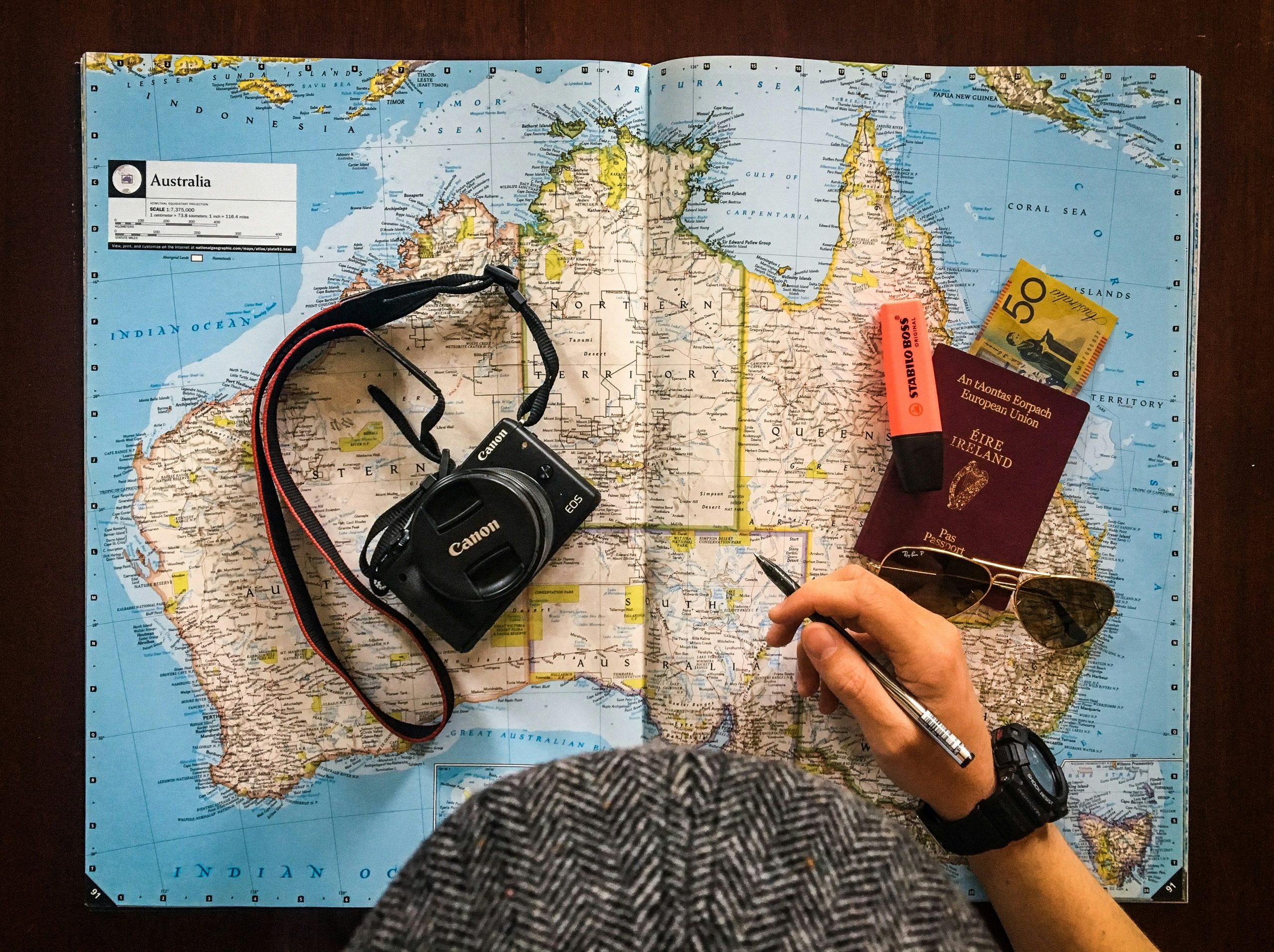
The allure of full-time travel is a dream for many, offering the chance to explore new cultures, meet diverse people, and experience the world in a way that is often unattainable through traditional vacationing. However, the notion of traveling indefinitely can seem daunting, especially when considering the financial implications. The good news is that with careful planning and a strategic approach, it is entirely possible to embark on a journey around the globe while adhering to a budget. The appeal lies not only in the freedom to roam but also in the opportunity to immerse oneself in local lifestyles, all while keeping expenses manageable.
Traveling full-time on a budget invites a unique perspective on life. It encourages individuals to prioritize experiences over material possessions, fostering a sense of adventure and spontaneity. The thrill of discovering hidden gems in off-the-beaten-path locations often outweighs the comforts of luxury accommodations. Moreover, budget travel cultivates resourcefulness, as travelers learn to navigate new environments and cultures with creativity and ingenuity. This lifestyle can lead to personal growth and a deeper understanding of the world, making it an enriching experience that transcends mere sightseeing.
If you’re considering traveling full time on a budget of $1500 a month, you might find it helpful to explore various resources that can aid in your journey. One such article that offers valuable insights is about finding the right sobriety coach for entrepreneurs, which can be particularly beneficial for those looking to maintain a balanced lifestyle while on the road. You can read more about it here: Finding the Right Sobriety Coach for Entrepreneurs. This resource may provide you with the support and strategies needed to navigate the challenges of full-time travel while ensuring your well-being.
Budget breakdown: How to allocate $1500 for travel expenses
When planning for full-time travel on a budget, it is essential to create a detailed budget breakdown that allocates funds wisely across various categories. With a total budget of $1500, one might consider dividing expenses into key areas such as accommodation, transportation, food, activities, and insurance. A practical approach could involve allocating approximately $600 for accommodation, $300 for transportation, $300 for food, $200 for activities, and $100 for insurance. This distribution allows for flexibility while ensuring that all essential aspects of travel are covered.
Accommodation is often one of the largest expenses for travelers. By budgeting around $600 for this category, one can explore options such as hostels, guesthouses, or even house-sitting opportunities that provide free lodging in exchange for caretaking duties. Transportation costs can vary significantly depending on the mode of travel chosen; allocating $300 allows for a mix of public transport and occasional rideshares or budget airlines. Food expenses can be minimized by opting for local markets and street food rather than dining in restaurants, making the $300 allocation feasible. Activities and entertainment can be enjoyed through free or low-cost options, while the $100 set aside for insurance ensures peace of mind during the journey.
Accommodation options: Finding affordable places to stay

Finding affordable accommodation is crucial for maintaining a budget while traveling full-time. One popular option is hostels, which not only provide inexpensive lodging but also foster a sense of community among travelers. Many hostels offer dormitory-style rooms at rates that can be as low as $10 to $30 per night, depending on the location. Additionally, hostels often feature communal kitchens where guests can prepare their meals, further reducing food costs. Some hostels even organize social events or tours, allowing travelers to connect with others and explore their surroundings together.
Another viable option is house-sitting or pet-sitting, which allows travelers to stay in someone’s home for free in exchange for taking care of their property or pets. Websites like TrustedHousesitters and HouseSitters.com connect homeowners with travelers looking for free accommodation. This arrangement not only saves money but also provides an opportunity to live like a local in various destinations. Furthermore, platforms like Airbnb and Couchsurfing offer unique lodging experiences at various price points. While Airbnb can range from budget-friendly rooms to luxury homes, Couchsurfing connects travelers with hosts willing to offer a free place to stay, promoting cultural exchange and friendship.
Transportation tips: Navigating around on a budget

Transportation is another significant aspect of full-time travel that can quickly eat into a budget if not managed wisely. To navigate around on a budget, travelers should prioritize public transportation options such as buses and trains, which are often more economical than taxis or rideshare services. Many cities offer day passes or multi-ride tickets that provide unlimited travel within a specified timeframe at a reduced rate. For instance, cities like Tokyo and London have extensive public transport systems that allow travelers to explore without incurring hefty costs.
In addition to public transport, walking or cycling can be excellent ways to get around while also providing an opportunity to experience the local culture up close. Many cities are pedestrian-friendly and have bike-sharing programs that allow travelers to rent bicycles at minimal costs. For longer distances between cities or countries, budget airlines and train services can offer affordable fares if booked in advance. Websites like Skyscanner or Rome2rio can help travelers compare prices and find the best deals on transportation options.
If you’re considering the possibility of traveling full time on a budget of $1500 a month, you might find it helpful to explore how others have successfully navigated similar challenges. One inspiring story is about how breaking free from social media addiction led to the creation of a million-dollar brand. You can read more about this transformative journey in the article here. This narrative not only highlights the importance of financial freedom but also emphasizes the value of focusing on personal growth while traveling.
Food and dining: Eating well without breaking the bank
| Expense Category | Monthly Cost |
|---|---|
| Accommodation | 500 |
| Food | 300 |
| Transportation | 200 |
| Entertainment | 150 |
| Insurance/Healthcare | 100 |
| Miscellaneous | 250 |
Eating well while traveling on a budget is entirely achievable with some strategic planning. One effective way to save money on food is by shopping at local markets and grocery stores rather than dining out for every meal. Many destinations boast vibrant markets where fresh produce, local delicacies, and street food can be found at reasonable prices. For example, visiting markets in Thailand allows travelers to sample authentic dishes like Pad Thai or Som Tum at a fraction of the cost of restaurant meals.
Cooking meals in shared hostel kitchens or rental accommodations can also significantly reduce food expenses. Preparing simple dishes using local ingredients not only saves money but also enhances the travel experience by allowing individuals to engage with local culinary practices. Additionally, seeking out local eateries or food stalls rather than tourist-oriented restaurants can lead to delicious meals at lower prices. Many cities have hidden gems where locals dine, offering authentic cuisine without the tourist markup.
If you’re considering the exciting lifestyle of traveling full time on a budget of $1500 a month, you might find it helpful to explore various strategies and tips that can make this dream a reality. One insightful resource that delves into the importance of maintaining focus and clarity while pursuing your goals is an article that discusses the hidden patterns that can hinder your success. You can read more about these patterns and how sobriety can help reveal them by visiting this informative article. This perspective might just provide you with the motivation you need to embark on your travel journey.
Entertainment and activities: Enjoying experiences without overspending
Traveling full-time does not mean sacrificing enjoyment; rather, it opens up opportunities to engage in enriching experiences without overspending. Many destinations offer free or low-cost activities that allow travelers to immerse themselves in local culture and history. For instance, exploring national parks or hiking trails often comes at little to no cost while providing breathtaking views and memorable experiences. In cities like Barcelona or Paris, free walking tours led by locals can offer valuable insights into the area’s history and culture.
Additionally, many museums and cultural institutions have designated days or times when admission is free or discounted. Travelers should take advantage of these opportunities to explore art galleries or historical sites without straining their budgets. Engaging with local communities through festivals or events can also provide unique experiences that are often free or low-cost. By prioritizing these types of activities, travelers can create lasting memories while keeping their expenses in check.
Managing healthcare and insurance while traveling full time
Healthcare management is an essential consideration for anyone embarking on full-time travel. Ensuring access to medical care while abroad requires careful planning and consideration of health insurance options. Travelers should research international health insurance plans that cover medical emergencies, routine care, and repatriation if necessary. Companies like World Nomads or SafetyWing offer tailored plans specifically designed for long-term travelers.
In addition to securing insurance coverage, it is wise to familiarize oneself with healthcare systems in various countries before arrival. Understanding how local healthcare works can alleviate stress in case of illness or injury. Carrying essential medications and maintaining an updated list of prescriptions can also be beneficial when traveling through multiple countries. By proactively managing healthcare needs and ensuring adequate insurance coverage, travelers can focus on enjoying their adventures without unnecessary worry.
Budget-friendly destinations: Exploring affordable places around the world
Certain destinations are particularly well-suited for budget-conscious travelers seeking adventure without breaking the bank. Southeast Asia remains a popular choice due to its affordability; countries like Vietnam and Thailand offer stunning landscapes, rich culture, and delicious cuisine at low prices. In Vietnam, for example, travelers can find comfortable accommodations for as little as $10 per night and enjoy hearty meals for under $5.
Eastern Europe has also emerged as an attractive region for budget travelers. Cities like Budapest and Krakow boast rich histories and vibrant cultures while remaining affordable compared to Western European counterparts. In Budapest, visitors can soak in thermal baths or explore historic sites without incurring high costs. Similarly, South America offers numerous budget-friendly options; countries like Colombia and Peru provide breathtaking scenery and cultural experiences at reasonable prices.
Income sources: Supplementing your budget while on the road
For many full-time travelers, finding ways to supplement their income while on the road is essential for sustaining their lifestyle. Remote work opportunities have become increasingly accessible due to advancements in technology; freelance writing, graphic design, programming, or virtual assistance are just a few examples of jobs that can be done from anywhere with an internet connection. Websites like Upwork or Fiverr connect freelancers with clients seeking various services.
Additionally, teaching English abroad remains a popular option for those looking to earn money while traveling. Many countries actively seek native English speakers to teach in schools or language centers; programs like TEFL (Teaching English as a Foreign Language) provide certification that enhances employability in this field. Seasonal work opportunities such as fruit picking or hospitality jobs can also provide temporary income while allowing travelers to immerse themselves in local cultures.
Tips for saving money and stretching your budget while traveling
To maximize a travel budget effectively requires strategic planning and resourcefulness. One key tip is to book flights and accommodations well in advance; this often leads to significant savings compared to last-minute bookings. Utilizing fare comparison websites can help identify the best deals available across various airlines and platforms.
Another effective strategy is to embrace flexibility in travel plans; being open to changing routes or dates based on price fluctuations can lead to substantial savings. Additionally, leveraging loyalty programs or credit card rewards can provide discounts on flights or accommodations over time. Travelers should also consider using cash instead of credit cards when possible; this helps maintain awareness of spending habits and prevents overspending.
Embracing the freedom and adventure of full-time travel on a budget
The journey of full-time travel on a budget is one filled with opportunities for exploration and personal growth. By carefully managing finances through strategic budgeting, resourceful accommodation choices, affordable transportation methods, and mindful spending on food and activities, individuals can experience the world without financial strain. Embracing this lifestyle fosters not only a sense of adventure but also an appreciation for diverse cultures and communities encountered along the way.
Ultimately, full-time travel encourages individuals to step outside their comfort zones and embrace new experiences with open hearts and minds. The freedom that comes with this lifestyle allows for spontaneous adventures and connections that enrich life beyond measure—proving that one does not need vast resources to embark on an extraordinary journey around the globe.
FAQs
1. What are the key factors to consider when planning to travel full time on a budget of $1500 a month?
When planning to travel full time on a budget of $1500 a month, it is important to consider the cost of accommodation, transportation, food, and activities. Researching affordable destinations and finding ways to save on these key expenses will be crucial.
2. How can one find affordable accommodation while traveling full time on a budget?
To find affordable accommodation while traveling full time on a budget, consider options such as staying in hostels, using platforms like Airbnb or Couchsurfing, or even house sitting. Additionally, booking accommodations in advance and staying in less touristy areas can help save money.
3. What are some tips for saving on transportation costs while traveling full time on a budget?
To save on transportation costs while traveling full time on a budget, consider using public transportation, walking, or biking whenever possible. Additionally, booking flights in advance, using budget airlines, and taking advantage of travel passes or discount cards can help reduce expenses.
4. How can one manage food expenses while traveling full time on a budget?
To manage food expenses while traveling full time on a budget, consider cooking your own meals, eating street food, and dining at local eateries rather than touristy restaurants. Shopping at local markets and grocery stores can also help save on food costs.
5. What are some additional tips for traveling full time on a budget of $1500 a month?
Additional tips for traveling full time on a budget of $1500 a month include prioritizing free or low-cost activities, taking advantage of discounts for attractions and tours, and being mindful of unnecessary expenses. It’s also important to have a financial buffer for unexpected costs and emergencies.