
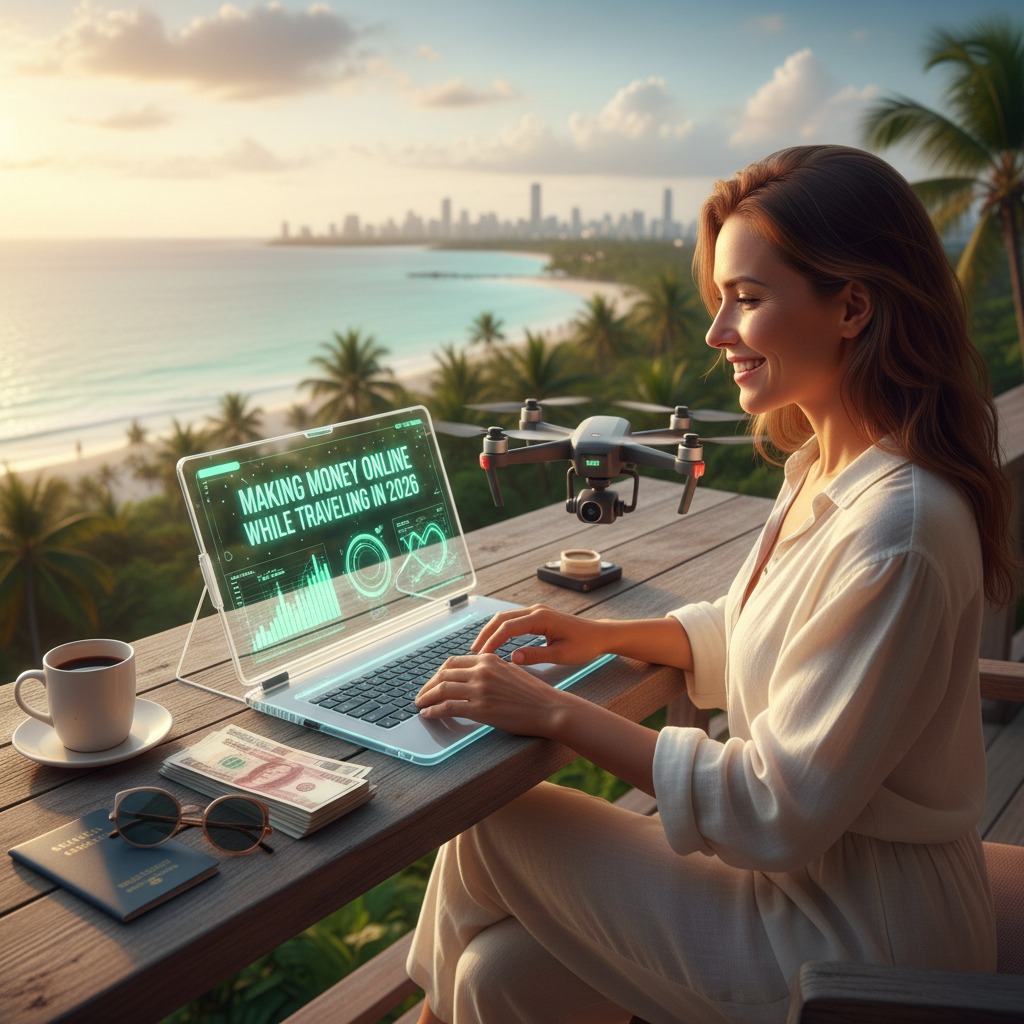
The idea of digital nomadism has grown significantly in recent years, changing how people view travel and work. People are no longer restricted to a single location thanks to technological advancements and the growth of remote work opportunities. They can continue to pursue their careers while traveling, creating a lifestyle that blends career satisfaction with personal exploration. The COVID-19 pandemic accelerated this shift by forcing many businesses to implement remote work policies, helping workers understand that productivity is not limited to a traditional office setting.
Digital nomadism represents a fundamental shift in how we view work-life balance, not just a trend. While working from a café in Lisbon or a beach in Bali is alluring, there are challenges to navigate. As more people adopt this lifestyle, understanding the details of managing finances, finding remote work, and navigating legal issues becomes crucial. This article explores several aspects of digital nomadism and offers practical advice for anyone wishing to take on this adventure.
How to Find Remote Work That Fits Your Lifestyle
Getting a remote job that matches your lifestyle and skill set is the first step toward becoming a digital nomad. Many platforms are dedicated to remote work opportunities, including FlexJobs, We Work Remotely, and Remote.co. These websites curate listings from businesses that value flexible work arrangements, making it simpler for job seekers to locate positions that meet their needs. Networking on platforms like LinkedIn can also lead to valuable connections and job opportunities. Participating in remote work-focused communities can reveal information about companies renowned for their remote-friendly policies.
Not every remote position is equal. Stay away from jobs that offer high compensation but have unreasonable demands or harmful practices. Some businesses might pay attractive wages but demand constant availability from their staff, which can lead to burnout and dissatisfaction. Research potential employers thoroughly by checking reviews on websites like Glassdoor or asking current or former employees for their opinions. Understanding the workplace culture and expectations helps you avoid obstacles that could harm your experience as a digital nomad.
Building a Profitable Freelance Career While Traveling
Freelancing provides a flexible alternative to traditional employment for many aspiring digital nomads. Developing a successful freelance career requires expertise in your chosen field and knowing how to market yourself effectively. Freelancers can use platforms like Upwork, Fiverr, and Freelancer to connect with clients and showcase their skills. Creating a strong portfolio that highlights your best work is crucial because potential clients often base their decisions on the quality of your previous work.
Networking plays a major role in freelancing success. Engaging with other independent contractors and potential clients on social media or in industry-specific forums can lead to referrals and partnerships. Developing your negotiating abilities is also essential. Being able to discuss rates confidently can significantly impact your earnings. Setting clear boundaries regarding your availability and workload is necessary for maintaining a healthy work-life balance while traveling.
What Are the Best Income Sources for Digital Nomads?
Diversifying your sources of income helps you succeed as a digital nomad by ensuring financial security and stability. Relying only on one source of income can be dangerous, particularly in the volatile gig economy. Examine a variety of options, including part-time remote work, freelancing, and launching an online business. For example, if you’re a graphic designer, you might sell digital goods like templates or stock photos on platforms like Creative Market or Etsy in addition to taking on freelance work.
Investing in your skills can increase your earning potential. Online courses and certifications can improve your expertise and increase your marketability to clients or employers. Consider taking advantage of passive income opportunities like affiliate marketing or creating an online course using your expertise. Combining different sources of income builds a more robust financial foundation that supports your nomadic lifestyle.
Managing Your Money Effectively as a Digital Nomad
For digital nomads who often deal with fluctuating incomes and different living expenses in various locations, effective money management is essential. Budgeting tools like Mint or YNAB (You Need A Budget) help you monitor spending and establish financial objectives while on the go. These applications help you track cash flow, classify spending, and modify your budget based on your current circumstances.
Setting up an emergency fund is crucial for handling unexpected expenses that might occur while traveling. Try to save at least three to six months’ worth of living expenses before starting your journey. This financial safety net allows you to focus on your work without constant money worries. Consider using travel-friendly banking options like online banks or accounts with low foreign transaction fees to cut expenses when handling your finances overseas.
How Do You Handle Unpredictable Income While Traveling?
The unpredictability of income is one of the biggest obstacles that digital nomads face. Workload and payment schedule fluctuations are common for independent contractors and remote workers, which can result in unstable finances. Taking a proactive approach to money management helps reduce this danger. Evaluate your sources of income regularly to spot patterns. This helps you anticipate slow months and plan accordingly.
Creating a comprehensive financial plan with both short-term and long-term objectives is helpful during uncertain times. Setting aside a portion of each paycheck for savings builds resilience against income fluctuations. Diversifying your clientele lessens reliance on any one source of revenue, making it easier to weather times of low demand. If you need guidance on building multiple revenue streams, specialized coaching can help you create a sustainable financial structure.
Turning Your Skills Into Profitable Opportunities
Your special abilities and experiences as a digital nomad can be valuable assets that can be made profitable in several ways. Consider providing consulting services in your area of expertise. Many businesses are willing to pay for specialized knowledge that can help them grow or solve specific problems. If you have experience in marketing, you could offer strategic counsel to new businesses trying to build their brand.
Creating content relevant to your area of expertise can generate income. Establishing a blog or YouTube channel enables you to develop an audience while sharing insights. Once you have a following, you can explore monetization options like affiliate marketing partnerships or sponsored content. Creatively utilizing your skills generates additional income streams to supplement your main sources of income.
Creating Passive Income Streams That Support Your Travel
For digital nomads who want financial independence while traveling, passive income is an attractive option. This kind of income gives you a safety net during times when you might not be able to take on new projects. It enables you to make money without actively working for it. Investing in stocks or real estate is a common way to earn passive income, but these choices need careful consideration and planning.
Making digital goods like e-books, online courses, or printables that can be sold repeatedly without further work after the initial creation process is another way to generate passive income. Platforms like Teachable or Gumroad make online sales of these goods simple. Consider affiliate marketing by using your blog or social media platforms to promote goods or services. Receiving commissions from sales made through your recommendations can significantly expand your portfolio of passive income.
What Legal and Tax Issues Should Digital Nomads Know?
Digital nomads must carefully navigate the many legal and tax issues that come with working remotely while traveling abroad. Every nation has its own rules about taxes and work permits for foreign workers, and breaking these rules can have serious consequences. Before traveling to a new country, research the requirements for obtaining a visa. Some countries provide special visas designed for remote workers.
Tax obligations are another important factor to consider. You might still have to file taxes even if you live overseas, depending on the tax regulations in your home country. Understanding international agreements on double taxation can help avoid paying taxes on the same income twice. Speaking with a tax expert who specializes in international taxation provides clarity on how to handle your tax obligations while taking advantage of the flexibility of working remotely.
Balancing Work Productivity With Travel Adventures
For digital nomads who want fulfillment in both aspects of their lives, finding a balance between work obligations and travel experiences is essential. Creating a schedule that accounts for both work and leisure time boosts output while enabling enjoyable travel experiences. Setting specific working hours each day allows you to devote time to work without compromising opportunities for adventure.
Using productivity tools like Trello or Asana facilitates managing tasks efficiently while on the go. These platforms help you visually arrange projects and collaborate easily with clients or team members. Making self-care a priority is equally crucial. Taking breaks and participating in rejuvenating activities improves your ability to concentrate at work. Learning how to stay focused while changing time zones can make a significant difference in your productivity.
Starting Your Digital Nomad Journey in 2026
The path of digital nomadism offers unmatched freedom and flexibility for those prepared to accept its rewards and challenges. People can pursue rewarding careers while traveling the world by learning how to locate remote work opportunities, handle money wisely, and deal with legal issues. Traveling and earning money online opens doors to new experiences and personal development that traditional employment often cannot provide.
In the community of digital nomads, exchanging information and strategies is becoming more crucial as more people embrace this lifestyle. People can thrive in this dynamic environment where work and adventure collide by helping one another through shared experiences and insights. Adopting a digital nomad lifestyle not only changes our perspective on work but also improves our lives by allowing us to connect with people from all over the world and experience a variety of cultures.
Frequently Asked Questions About Making Money Online While Traveling
Can you really make enough money online to support full-time travel?
Yes, many people successfully earn a full-time income while traveling through freelancing, remote employment, consulting, or running online businesses. Success depends on your skills, dedication, and ability to market yourself effectively. Building multiple income streams provides more financial stability than relying on a single source.
How much money should you save before becoming a digital nomad?
Experts recommend saving three to six months of living expenses before starting your digital nomad journey. This emergency fund covers unexpected costs and provides a safety net during slow work periods. Your specific savings goal depends on your destination, lifestyle, and income stability.
Which skills are most in-demand for remote work in 2026?
High-demand remote skills include web development, graphic design, content writing, digital marketing, software engineering, virtual assistance, and project management. AI-related skills are increasingly valuable as businesses adopt new technologies. Continuously updating your skills keeps you competitive in the remote job market.
Do digital nomads need special visas to work while traveling?
Visa requirements vary by country. Many nations now offer special digital nomad visas that allow remote workers to stay legally for extended periods. Research visa requirements for each destination before traveling. Working on a tourist visa is illegal in most countries and can result in deportation or fines.
How do you stay productive while constantly changing locations?
Staying productive while traveling requires establishing routines, setting clear work hours, using productivity tools, and choosing accommodations with reliable internet. Many digital nomads stay in each location for several weeks or months rather than constantly moving. This approach provides stability while still allowing for travel and exploration.
Leave a Reply