
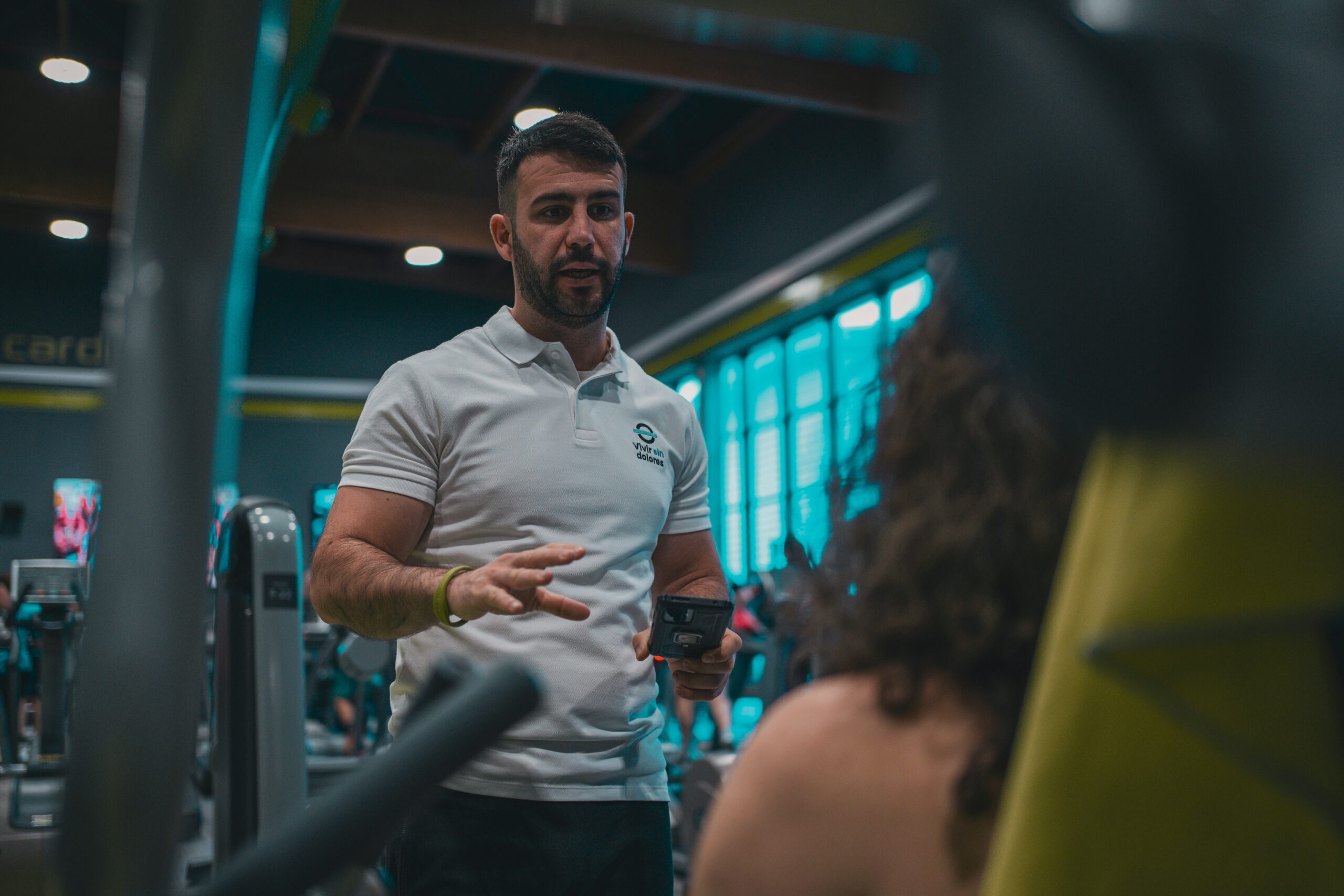
Sobriety coaching is a specialized form of support designed to assist individuals in their journey toward recovery from substance use disorders. Unlike traditional therapy, sobriety coaching focuses on practical strategies and day-to-day support, helping clients navigate the challenges of maintaining sobriety in real-world situations. Coaches often work with clients who have completed a rehabilitation program or those who are seeking to enhance their recovery efforts. The primary goal is to empower individuals to take charge of their sobriety, develop coping mechanisms, and build a fulfilling life free from addiction.
The concept of sobriety coaching has gained traction in recent years as more people recognize the need for personalized support in recovery. Coaches often draw from their own experiences with addiction or recovery, providing a unique perspective that can resonate deeply with clients. This peer-based approach fosters a sense of understanding and connection, which can be crucial for individuals who may feel isolated in their struggles. Sobriety coaching is not a substitute for professional treatment but rather a complementary resource that can enhance the recovery process.
Sobriety coaching is an increasingly popular approach for individuals seeking to maintain their recovery from addiction while navigating the challenges of daily life. For those interested in understanding how sobriety coaching can complement personal and professional growth, a related article titled “How Entrepreneurs Can Break Addiction and Build Success” provides valuable insights. This article discusses the intersection of entrepreneurship and recovery, highlighting strategies that can help individuals overcome addiction and achieve their goals. You can read more about it here: How Entrepreneurs Can Break Addiction and Build Success.
The Role of a Sobriety Coach
A sobriety coach serves as a guide and mentor, helping clients set and achieve their sobriety goals. They provide accountability, encouragement, and practical advice tailored to the individual’s unique circumstances. Coaches often assist clients in identifying triggers and developing strategies to cope with cravings or high-risk situations. This proactive approach allows individuals to build resilience and confidence in their ability to maintain sobriety.
In addition to offering emotional support, sobriety coaches help clients create structured plans for their daily lives. This may include establishing routines, setting boundaries, and finding healthy outlets for stress and anxiety. Coaches often encourage clients to engage in activities that promote well-being, such as exercise, mindfulness practices, or creative pursuits. By focusing on holistic development, sobriety coaches aim to help individuals cultivate a balanced lifestyle that supports long-term recovery.
Benefits of Sobriety Coaching

One of the primary benefits of sobriety coaching is the personalized attention that clients receive. Unlike traditional therapy sessions, which may be limited in frequency and duration, sobriety coaching can offer ongoing support tailored to the individual’s needs. This flexibility allows clients to reach out for help when they need it most, whether they are facing a specific challenge or simply seeking encouragement on their journey.
Another significant advantage is the emphasis on practical skills and real-life application. Sobriety coaches work with clients to develop actionable strategies that can be implemented immediately. This hands-on approach helps individuals feel more equipped to handle the complexities of daily life without resorting to substance use. Additionally, the accountability provided by a coach can motivate clients to stay committed to their goals, fostering a sense of responsibility for their own recovery.
How Sobriety Coaching Differs from Therapy

While both sobriety coaching and therapy aim to support individuals in their recovery journey, they differ significantly in their approaches and methodologies. Therapy often delves into the psychological aspects of addiction, exploring underlying issues such as trauma, mental health disorders, or family dynamics. Therapists typically hold advanced degrees and licenses, allowing them to diagnose and treat mental health conditions. In contrast, sobriety coaching focuses more on practical strategies and day-to-day support rather than deep psychological exploration.
Another key distinction lies in the structure of sessions. Therapy sessions are often more formal and may follow a specific therapeutic model, such as cognitive-behavioral therapy (CBT) or dialectical behavior therapy (DBT). Sobriety coaching tends to be more flexible and informal, allowing for a conversational style that adapts to the client’s immediate needs. This difference can make sobriety coaching feel more approachable for some individuals who may be hesitant to engage in traditional therapy.
Sobriety coaching is a valuable resource for individuals seeking to maintain their recovery and navigate the challenges of everyday life without substances. For those interested in enhancing their decision-making skills, a related article discusses the crucial factors that differentiate successful individuals from others. You can explore this insightful piece on the decision-making process by visiting this link, which may provide additional tools and strategies beneficial for anyone on their sobriety journey.
Finding the Right Sobriety Coach for You
| Aspect | Details |
|---|---|
| Definition | Sobriety coaching is a professional service that provides support, guidance, and accountability to individuals who are in recovery from addiction. |
| Role | Coaches help clients set and achieve sobriety goals, develop coping strategies, and navigate challenges in their recovery journey. |
| Approach | Coaching may involve one-on-one sessions, group support, lifestyle assessments, and personalized action plans. |
| Benefits | Support from a sobriety coach can enhance motivation, reduce relapse risk, and improve overall well-being during recovery. |
Choosing the right sobriety coach is a crucial step in the recovery process. It’s essential to find someone whose approach aligns with your personal goals and values. When searching for a coach, consider factors such as their experience, training, and any relevant certifications they may hold. Many coaches have backgrounds in addiction recovery or related fields, which can enhance their understanding of the challenges you may face.
It’s also important to assess the coach’s communication style and personality. A strong rapport between coach and client can significantly impact the effectiveness of the coaching relationship. Many coaches offer initial consultations or discovery sessions, providing an opportunity for potential clients to gauge compatibility before committing to a coaching arrangement. Trust your instincts during this process; finding someone you feel comfortable with can make all the difference in your recovery journey.
Sobriety coaching can be a transformative experience for individuals seeking to maintain their recovery journey, as it provides personalized support and guidance tailored to their unique needs. For those looking to enhance their overall well-being while navigating sobriety, adopting high-value habits can be incredibly beneficial. You can explore this concept further in a related article that discusses effective strategies for replacing unproductive behaviors with positive ones. To learn more about these valuable habits, check out this insightful piece on how to replace doom scrolling with high-value habits.
Setting Goals with a Sobriety Coach
Goal-setting is a fundamental aspect of sobriety coaching. A skilled coach will work collaboratively with you to identify specific, measurable objectives that align with your vision for recovery. These goals may encompass various areas of life, including emotional well-being, social connections, career aspirations, and personal growth. By breaking down larger aspirations into smaller, achievable steps, you can create a roadmap that guides your progress.
The process of setting goals also involves regular check-ins and adjustments as needed. Life is dynamic, and circumstances can change rapidly; therefore, it’s essential to remain flexible in your approach. A sobriety coach will encourage you to celebrate your successes along the way while also addressing any setbacks with compassion and understanding. This iterative process fosters resilience and reinforces your commitment to maintaining sobriety.
Tools and Techniques Used in Sobriety Coaching
Sobriety coaches employ a variety of tools and techniques to support their clients effectively. One common method is the use of motivational interviewing, which encourages individuals to explore their motivations for change and resolve ambivalence about sobriety. This technique helps clients articulate their desires and aspirations while fostering a sense of ownership over their recovery journey.
Additionally, coaches may introduce mindfulness practices as a way to enhance self-awareness and emotional regulation. Techniques such as meditation, deep breathing exercises, or journaling can help individuals develop greater insight into their thoughts and feelings, making it easier to identify triggers and cope with cravings. By incorporating these tools into coaching sessions, sobriety coaches empower clients to cultivate healthier habits that support long-term recovery.
Overcoming Challenges in Sobriety
The path to sobriety is often fraught with challenges that can test an individual’s resolve. Common obstacles include cravings, social pressures, and emotional turmoil. A sobriety coach plays a vital role in helping clients navigate these difficulties by providing strategies tailored to their unique situations. For instance, if a client struggles with cravings during social gatherings, the coach might work with them to develop an exit plan or identify supportive friends who understand their commitment to sobriety.
Moreover, coaches can help clients reframe setbacks as opportunities for growth rather than failures. This shift in perspective is crucial for maintaining motivation and resilience throughout the recovery process. By fostering a mindset that embraces challenges as part of the journey, sobriety coaches empower individuals to persevere even when faced with adversity.
Maintaining Sobriety After Coaching
As individuals progress through their recovery journey, the question of how to maintain sobriety after coaching becomes paramount. A strong foundation built during coaching sessions can serve as a springboard for continued success. Many coaches emphasize the importance of ongoing self-reflection and personal development even after formal coaching has concluded. This might involve setting new goals or engaging in continued education about addiction and recovery.
Additionally, establishing a robust support network is essential for long-term sobriety. Coaches often encourage clients to stay connected with peers from support groups or engage in community activities that promote healthy relationships. By fostering connections with others who share similar experiences, individuals can create an environment that reinforces their commitment to sobriety.
The Importance of Support in Recovery
Support plays an integral role in successful recovery from addiction. Whether it comes from family members, friends, or professional resources like sobriety coaches, having a reliable support system can significantly impact an individual’s ability to maintain sobriety over time. Supportive relationships provide encouragement during difficult moments and celebrate achievements along the way.
Moreover, sharing experiences with others who understand the challenges of addiction can foster a sense of belonging and reduce feelings of isolation. Sobriety coaches often emphasize the importance of building these connections as part of a comprehensive recovery plan. Engaging with others who have faced similar struggles can provide valuable insights and strategies for overcoming obstacles.
Integrating Sobriety Coaching into a Holistic Recovery Plan
Integrating sobriety coaching into a holistic recovery plan involves considering various aspects of well-being beyond just abstaining from substances. A comprehensive approach may include therapy, medical support, lifestyle changes such as nutrition and exercise, and community involvement alongside coaching services. By addressing multiple facets of life, individuals can create a balanced framework that supports sustained recovery.
Coaches often collaborate with other professionals involved in a client’s care to ensure a cohesive approach to recovery. This collaboration might involve sharing insights from coaching sessions with therapists or medical providers while respecting client confidentiality. By working together as part of an integrated team, all parties can contribute to the individual’s overall well-being and success in maintaining sobriety.
In conclusion, sobriety coaching offers valuable support for individuals navigating the complexities of recovery from addiction. Through personalized guidance, practical strategies, and ongoing encouragement, sobriety coaches empower clients to take charge of their lives and build fulfilling futures free from substance use.
FAQs
What is sobriety coaching?
Sobriety coaching is a form of support and guidance provided to individuals who are in recovery from addiction. It involves working with a professional coach who helps clients navigate the challenges of maintaining sobriety and making positive lifestyle changes.
What does a sobriety coach do?
A sobriety coach provides personalized support to individuals in recovery, helping them set and achieve goals related to sobriety, health, and overall well-being. They may offer accountability, encouragement, and practical strategies for managing triggers and cravings.
How is sobriety coaching different from therapy or counseling?
Sobriety coaching focuses on the present and future, helping clients move forward and create a fulfilling life in recovery. While therapy and counseling may address past trauma and mental health issues, sobriety coaching is more action-oriented and goal-focused.
Who can benefit from sobriety coaching?
Anyone in recovery from addiction can benefit from sobriety coaching, regardless of the stage of their sobriety journey. Whether someone is newly sober or has been in recovery for years, a sobriety coach can provide valuable support and guidance.
How can someone find a sobriety coach?
Sobriety coaches can be found through addiction treatment centers, recovery organizations, or by searching online directories. It’s important to find a coach who is certified and experienced in working with individuals in recovery.