
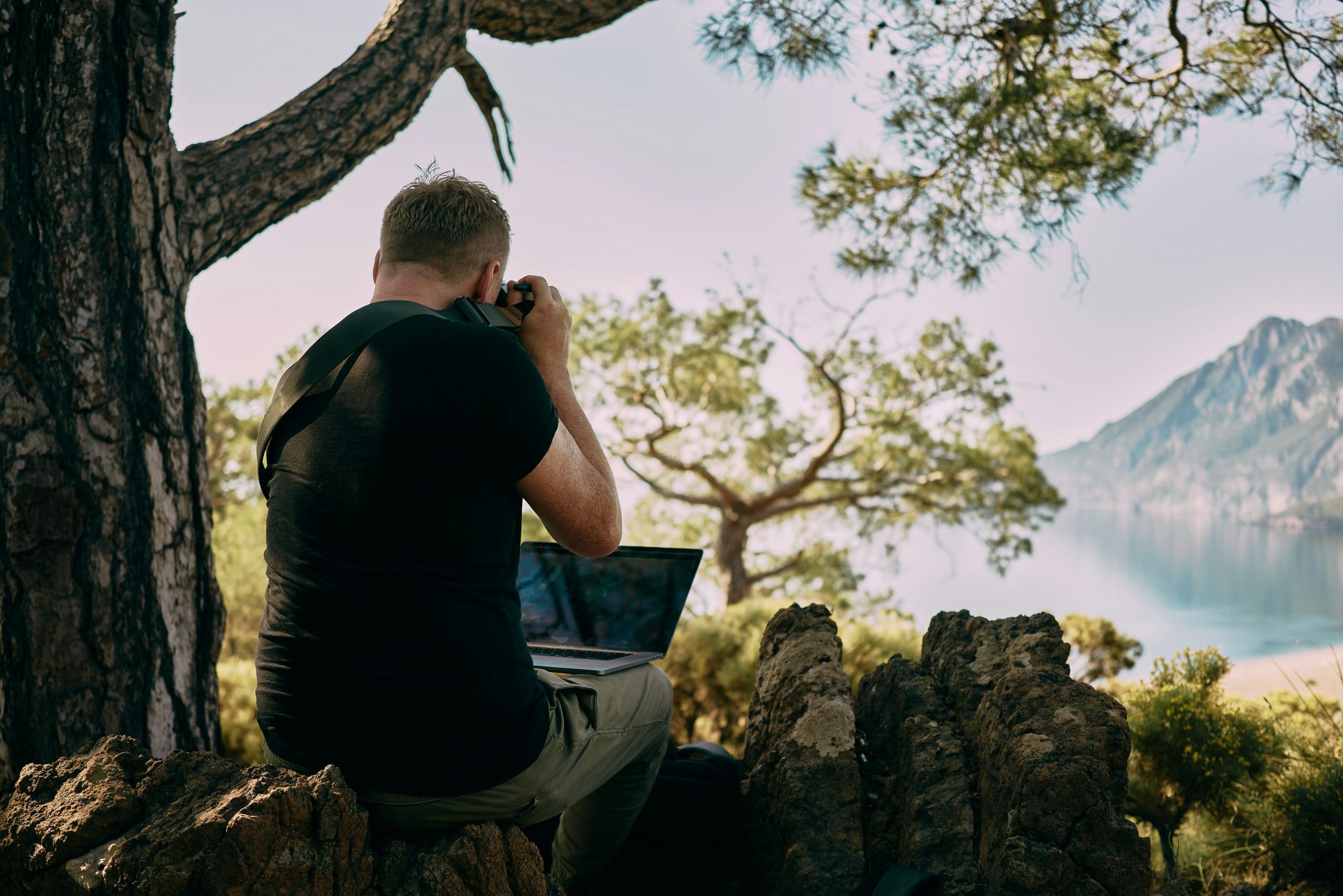
The digital nomad lifestyle has gained significant traction in recent years, fueled by advancements in technology and the increasing acceptance of remote work. This lifestyle allows individuals to travel the world while maintaining their careers, often leading to a more fulfilling and adventurous existence. However, the allure of exploring new cultures and landscapes comes with its own set of financial challenges. For those looking to embrace this lifestyle without breaking the bank, understanding the various costs associated with being a digital nomad is crucial.
Budget-friendly digital nomad life is not merely about finding the cheapest options; it’s about making informed choices that align with one’s financial goals while still enjoying the richness of travel. From accommodation to transportation, food, and leisure activities, each aspect of life on the road requires careful planning and budgeting. By examining these costs in detail, aspiring digital nomads can better prepare themselves for a sustainable and enjoyable journey.
For those considering the digital nomad lifestyle while keeping an eye on their finances, it’s essential to understand the realistic monthly costs associated with this way of living. A helpful resource that delves into budgeting for digital nomads can be found in the article titled “The Science Behind Your Social Media Compulsion.” You can read it for insights on how to manage your expenses while staying connected and productive on the road. Check it out here: The Science Behind Your Social Media Compulsion.
Accommodation Costs for Digital Nomads
Accommodation is often one of the most significant expenses for digital nomads, but it can also be one of the most flexible. The choice between hotels, hostels, short-term rentals, and even house-sitting can dramatically affect monthly costs. For instance, while a hotel may offer comfort and convenience, it typically comes with a higher price tag. In contrast, hostels provide budget-friendly options that foster social interaction but may lack privacy.
Short-term rentals through platforms like Airbnb or Vrbo can strike a balance between comfort and cost-effectiveness. Many digital nomads opt for longer stays in one location to take advantage of discounts for weekly or monthly bookings. For example, a one-month rental in Southeast Asia can often be found for as little as $300 to $500, significantly less than what one might pay in Western countries. Additionally, house-sitting opportunities allow nomads to stay in homes for free in exchange for taking care of pets or maintaining the property, further reducing accommodation costs.
Transportation Expenses for Digital Nomads

Transportation is another critical component of a digital nomad’s budget. The costs can vary widely depending on the mode of travel and the regions being explored. For instance, traveling within Southeast Asia can be incredibly affordable, with options like buses and trains offering low-cost fares. A bus ride from Bangkok to Chiang Mai can cost as little as $10, making it easy for nomads to explore multiple destinations without overspending.
In contrast, traveling in Europe or North America may require a more substantial budget due to higher transportation costs. However, savvy travelers can take advantage of budget airlines or rail passes that offer significant savings for frequent travelers. For example, purchasing a Eurail pass allows unlimited train travel across multiple countries for a set period, which can be a cost-effective way to explore Europe. Additionally, ridesharing services like BlaBlaCar can provide affordable options for intercity travel while also offering opportunities to meet locals.
Food and Dining Budget for Digital Nomads

Food expenses can vary dramatically based on location and personal preferences. In many countries, especially in Southeast Asia and Latin America, eating out can be incredibly affordable. Street food stalls often serve delicious meals for just a few dollars, allowing digital nomads to enjoy local cuisine without straining their budgets. For instance, a hearty bowl of pho in Vietnam might cost around $2, while a full meal at a local restaurant could be under $10.
Conversely, dining in Western countries can quickly escalate costs, particularly if one opts for fine dining or frequent meals at cafes. To manage food expenses effectively, many digital nomads choose to cook their meals when possible. Access to a kitchen in short-term rentals or hostels can significantly reduce food costs. Shopping at local markets not only provides fresh ingredients but also offers an opportunity to immerse oneself in the local culture. By balancing dining out with home-cooked meals, digital nomads can maintain a healthy diet while keeping their food budget in check.
For those considering the digital nomad lifestyle while keeping an eye on their finances, understanding realistic monthly costs is crucial. A helpful resource that outlines practical budgeting tips for aspiring nomads can be found in this article about mastering business discipline. By following the advice in this article, you can learn how to effectively manage your expenses and maintain a sustainable lifestyle while traveling.
Entertainment and Leisure Costs for Digital Nomad Lifestyle
| Expense Category | Monthly Cost |
|---|---|
| Housing | 500-1000 |
| Food | 200-400 |
| Transportation | 50-150 |
| Utilities | 100-200 |
| Health Insurance | 100-300 |
| Entertainment | 100-200 |
| Co-working Space | 100-300 |
Entertainment and leisure activities are essential components of the digital nomad experience but can also add up quickly if not managed wisely. Many destinations offer free or low-cost activities that allow nomads to explore their surroundings without overspending. For example, hiking trails, public parks, and cultural festivals often provide enriching experiences at little to no cost. Engaging with local communities through volunteer opportunities or free workshops can also enhance the travel experience while keeping expenses low.
However, there are times when splurging on experiences is worthwhile. Activities such as guided tours, cooking classes, or adventure sports can provide unique insights into local culture and create lasting memories. To strike a balance between enjoyment and budget management, digital nomads should prioritize their interests and allocate funds accordingly. Setting aside a specific portion of their budget for entertainment allows them to indulge in experiences that truly resonate with them while avoiding unnecessary expenditures.
Health and Wellness Expenses for Digital Nomads
Maintaining health and wellness is crucial for digital nomads who often face unique challenges related to travel stress and lifestyle changes. Health insurance is an essential consideration; many nomads opt for international health insurance plans that cover medical emergencies abroad. The cost of these plans can vary significantly based on coverage levels and age but typically ranges from $50 to $200 per month.
In addition to insurance, regular health check-ups and access to healthcare services should be factored into the budget. While many countries offer affordable healthcare options, it’s essential to research local medical facilities beforehand. For instance, countries like Thailand and Mexico have reputable healthcare systems that provide quality services at lower prices compared to Western nations. Furthermore, investing in wellness activities such as yoga classes or gym memberships can enhance physical well-being and mental health during travels.
Communication and Internet Costs for Digital Nomads
Reliable communication and internet access are vital for digital nomads who rely on technology to work remotely. The cost of mobile data plans varies widely by country; some regions offer affordable prepaid SIM cards with generous data allowances for as little as $10 per month. In contrast, data plans in Western countries may be significantly more expensive.
Wi-Fi availability is another critical factor; many cafes, co-working spaces, and public areas provide free internet access. However, it’s essential to ensure that these connections are secure when handling sensitive work-related information. Investing in a virtual private network (VPN) can enhance online security while traveling and typically costs around $10 per month. By strategically managing communication expenses and leveraging free resources, digital nomads can stay connected without incurring excessive costs.
Work and Co-Working Space Expenses for Digital Nomads
For many digital nomads, co-working spaces serve as essential hubs for productivity and networking. These spaces often come with monthly membership fees that vary based on location and amenities offered. In cities like Bali or Lisbon, co-working memberships can range from $100 to $300 per month, providing access to high-speed internet, meeting rooms, and community events.
While co-working spaces offer numerous benefits, some digital nomads prefer working from cafes or libraries to save on costs. This approach allows them to enjoy a more casual atmosphere while still being productive. However, it’s important to consider the potential downsides of working in public spaces, such as noise levels or limited access to power outlets. Balancing co-working memberships with alternative work environments can help manage expenses while ensuring an effective work routine.
Insurance and Safety Budget for Digital Nomads
Safety is paramount for digital nomads traveling across various countries with differing levels of security and healthcare systems. Comprehensive travel insurance is essential not only for medical emergencies but also for protecting against theft or loss of personal belongings. The cost of travel insurance varies based on coverage options but typically ranges from $40 to $150 per month.
In addition to insurance costs, digital nomads should consider budgeting for safety-related expenses such as secure storage solutions or anti-theft gear like backpacks with lockable zippers. Researching local safety conditions before arriving at a destination can also help mitigate risks associated with theft or scams. By prioritizing safety measures within their budget, digital nomads can enjoy their travels with greater peace of mind.
Miscellaneous Expenses for Digital Nomad Lifestyle
Beyond the primary categories of expenses discussed above, miscellaneous costs can arise unexpectedly during travels. These may include visa fees, local transportation (like taxis or rideshares), laundry services, or even gifts and souvenirs purchased along the way. It’s wise for digital nomads to set aside a small portion of their budget—typically around 10%—for these unforeseen expenses.
Additionally, maintaining a flexible mindset is crucial when navigating the unpredictable nature of travel costs. Currency fluctuations or sudden changes in local prices can impact budgets significantly; therefore, having a buffer allows for greater adaptability without causing financial strain. Keeping track of all expenses through budgeting apps or spreadsheets can help identify spending patterns and adjust accordingly.
Tips for Managing Monthly Costs as a Budget-Friendly Digital Nomad
Successfully managing monthly costs as a budget-friendly digital nomad requires careful planning and adaptability. One effective strategy is creating a detailed budget that outlines all expected expenses while allowing room for flexibility in case of unexpected costs. Regularly reviewing this budget helps identify areas where savings can be made without sacrificing quality of life.
Additionally, engaging with other digital nomads through online communities or local meetups can provide valuable insights into cost-saving strategies specific to each destination. Sharing experiences about accommodation options or local deals can lead to significant savings over time. Ultimately, embracing the spirit of exploration while remaining mindful of financial responsibilities will enable digital nomads to thrive in their adventures around the globe.
FAQs
What is a digital nomad on a budget?
A digital nomad on a budget is someone who works remotely while traveling and aims to keep their living expenses low. They often seek affordable destinations and accommodations to maintain a sustainable lifestyle.
What are the realistic monthly costs for a digital nomad on a budget?
The realistic monthly costs for a digital nomad on a budget can vary depending on the location and individual preferences. However, common expenses include accommodation, food, transportation, communication (such as internet and phone bills), and occasional leisure activities. On average, a digital nomad on a budget may aim to keep their monthly costs between $1000 to $2000, but this can fluctuate based on personal choices and the cost of living in different destinations.
How can a digital nomad on a budget save money on accommodation?
A digital nomad on a budget can save money on accommodation by opting for shared living spaces, such as hostels, co-living spaces, or renting a room in a shared apartment. Additionally, utilizing platforms like Airbnb, Couchsurfing, or house-sitting opportunities can provide affordable or even free accommodation options.
What are some affordable destinations for digital nomads on a budget?
Affordable destinations for digital nomads on a budget include countries in Southeast Asia (such as Thailand, Vietnam, and Indonesia), Eastern Europe (like Bulgaria, Romania, and Ukraine), and parts of Central and South America (such as Mexico, Colombia, and Ecuador). These regions often offer lower living costs, including accommodation, food, and transportation.
How can a digital nomad on a budget manage their expenses while traveling?
To manage expenses while traveling, a digital nomad on a budget can create a detailed budget plan, track their spending, and prioritize cost-effective choices. This may involve cooking meals at home, using public transportation, seeking out free or low-cost activities, and being mindful of discretionary spending. Additionally, utilizing travel rewards programs and digital tools for budgeting can help in managing expenses effectively.