
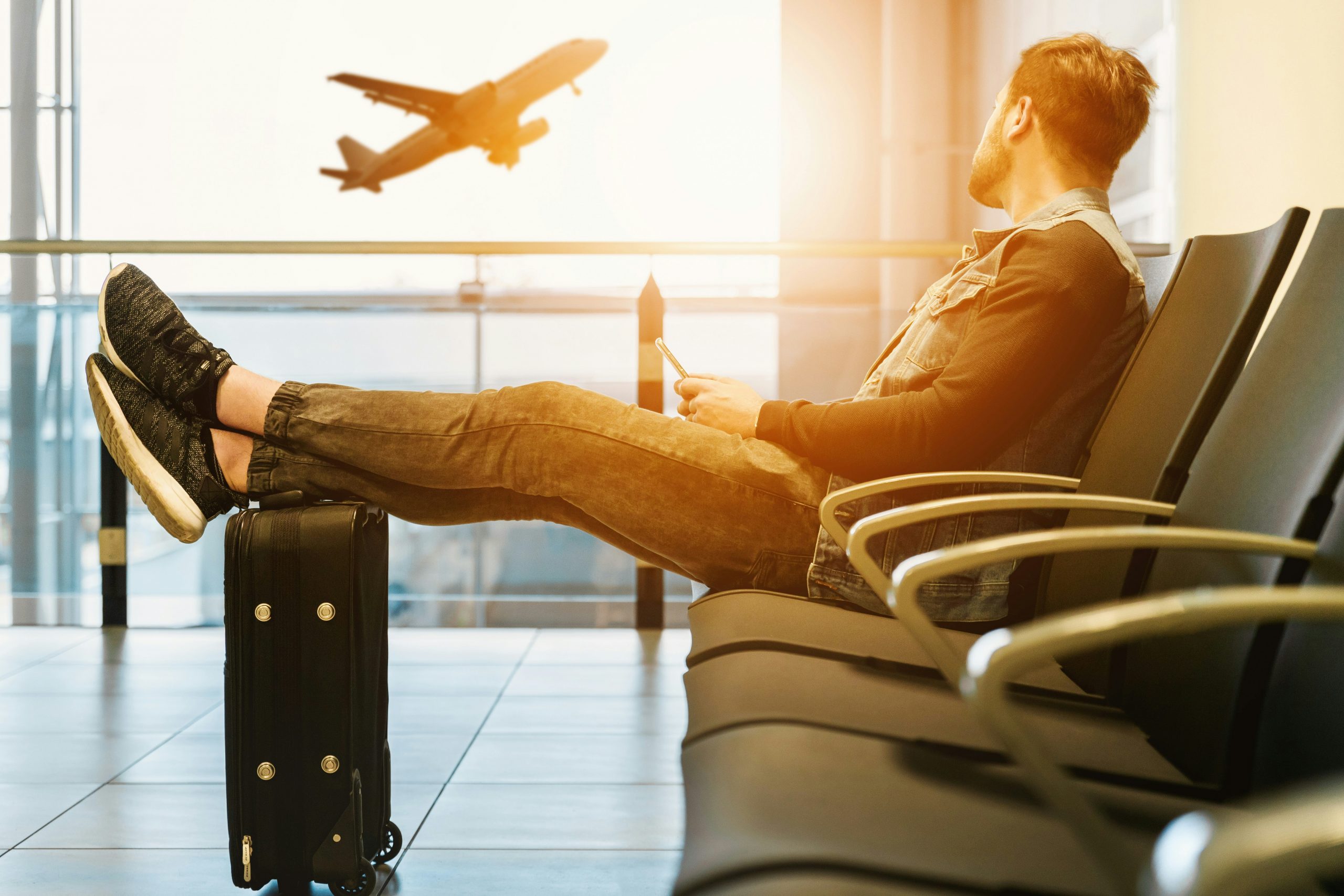
Traveling for work, or choosing a life on the road, can be exciting. But it’s also a juggle. You’re trying to keep your business running, stay connected, and actually enjoy the places you visit. We’ve all been there – staring at a screen in a cafe, wondering if we remembered to pack that one crucial adapter, or if our internet connection will hold up for that important client call. This guide is about making that juggle a bit easier, a bit smoother, and a whole lot less stressful. Think of it as a friendly chat with someone who’s been there, done that, and earned a few travel-sized wisdom nuggets along the way.
We won’t throw a bunch of fancy jargon at you. We’ll talk straight, cutting through the noise to get to what really matters. No cliché travel advice you’ve heard a million times. Just practical, down-to-earth tips you can actually use. Our goal is simple: help you work smarter, travel safer, and truly experience the world without your business taking a hit.
Planning Your Adventure (and Your Work)
Let’s face it, spontaneous trips are great for a personal holiday, but when your livelihood depends on it, a little planning goes a long way. This isn’t about rigid itineraries, but about setting yourself up for success before you even leave home. It’s about knowing what you need to do, what you need to bring, and how you’re going to handle the unexpected. Good preparation is your best friend when you’re blending business and travel.
Research Your Destination Thoroughly
Before you even think about booking a flight, do your homework. This isn’t just about finding the best tourist spots. It’s about understanding the practicalities that impact your work and well-being. Look into things like local customs, safety concerns, and the political climate. A quick check of government travel advisories can save you a lot of headaches. You need to know if it’s safe to walk around with your laptop, or if you should be extra cautious in certain areas.
Beyond safety, think about how you’ll work. What’s the cost of living like? Will your budget stretch as far as you need it to? How easy is it to get around? Is public transport reliable, or will you be shelling out a fortune for taxis? These seem like small details, but they add up and directly affect your productivity and your bottom line.
Get Your Docs in a Row
This might seem obvious, but you’d be surprised how many people scramble at the last minute. Make sure your passport is up-to-date and has at least six months of validity left from your planned return date. Many countries won’t let you in otherwise. Check visa requirements well in advance. Some visas can take weeks, even months, to process. Don’t assume you can get one on arrival.
Don’t forget digital copies of everything important: passport, visa, flight bookings, accommodation reservations, and travel insurance details. Store them in a secure cloud service and have offline copies on your phone and laptop. If your bag goes missing, you’ll be glad you did. Also, consider an international driving permit if you plan on renting a car.
Master Your Money Matters
Before you land, understand the local currency and exchange rates. It’s smart to have some local cash on hand for immediate expenses, but don’t carry huge amounts. Inform your bank and credit card companies of your travel dates and destinations to avoid your cards being flagged for suspicious activity. Look into travel-friendly credit cards with no foreign transaction fees. These can save you a significant amount over the course of your trip. Also, research local ATM fees and consider a travel-specific debit card that offers fee-free withdrawals. Having a backup payment method (another credit card, or a different bank’s debit card) is always a good idea, just in case one gets lost, stolen, or blocked.
For entrepreneurs and digital nomads seeking to maintain their sobriety while traveling, it’s essential to find strategies that help manage distractions and promote focus. A related article that offers valuable insights is titled “7 Steps to Take Back Your Focus from Social Media Overload,” which provides practical tips on minimizing digital distractions and enhancing productivity. You can read it here: 7 Steps to Take Back Your Focus from Social Media Overload. This resource can be particularly beneficial for those looking to stay grounded and focused during their journeys.
Staying Connected and Productive
For entrepreneurs and digital nomads, being offline isn’t an option. Your business relies on constant communication, access to information, and the ability to get work done, no matter where you are. This section is all about making sure you’re always plugged in, not just to the internet, but to your tasks and your team.
Choosing the Right Internet Connection
This is arguably the most critical aspect of working remotely. Don’t rely solely on public Wi-Fi. It’s often slow, unreliable, and – critically – insecure. Invest in a good local SIM card with a generous data plan as soon as you arrive. This gives you a personal, secure hotspot wherever you go. Research the best local providers before you land.
Consider a portable Wi-Fi device (MiFi) if you travel to multiple countries or need to connect several devices. Alternatively, many modern phones have excellent hotspot capabilities. Always have a backup plan. What if the power goes out? What if your SIM card fails? Knowing where the nearest internet cafe or co-working space is can be a lifesaver.
Setting Up Your Mobile Office
Your “office” might be a cafe, a hotel room, or a co-working space. Make sure it’s set up for maximum efficiency. This starts with reliable gear. A lightweight laptop, a portable monitor (if your workflow demands it), a comfortable portable mouse, and a compact keyboard can make a huge difference. Don’t forget noise-canceling headphones – a godsend for focused work in noisy environments or for clear video calls.
Think about ergonomics, even when you’re on the go. Taking regular breaks, stretching, and finding a decent chair and table can prevent aches and pains. Good lighting is also important, especially if you’re doing video calls.
Scheduling for Different Time Zones
Your clients, team, and deadlines often remain in your home time zone, or maybe scattered across several. This requires careful planning. Use a time zone converter app religiously. It’s easy to make mistakes, and missing a meeting or a deadline due to a time zone miscalculation is a quick way to lose trust.
Communicate your working hours clearly to your team and clients. Be realistic about what you can achieve. Sometimes, this means adjusting your schedule to work earlier or later than usual to accommodate calls. It also means building in buffer time for unexpected delays or internet outages. Flexibility is key, but so is setting expectations.
Health and Well-being on the Road
Burning the candle at both ends is a recipe for disaster, especially when you’re far from home. Your health is your wealth, and neglecting it will eventually impact your business. This isn’t just about preventing illness; it’s about maintaining your energy, mental clarity, and overall happiness.
Prioritize Travel Insurance
Do not skip this. Seriously. Travel insurance isn’t an optional extra; it’s a non-negotiable. Whether it’s a sprained ankle, a lost laptop, or an emergency flight home, the costs can be devastating without it. Read the fine print carefully to understand what’s covered for medical emergencies, trip cancellations, lost luggage, and especially for your valuable electronics. Some standard policies might not cover business equipment adequately, so you might need a specialized add-on.
Know how to contact your insurance provider and what steps to take if you need to make a claim. Have their contact information readily accessible, not just in your email, but also written down somewhere safe.
Stay Healthy and Active
It’s easy to fall into unhealthy habits when traveling: strange food, long hours sitting, disrupted sleep. Make an effort to eat well. Seek out local markets for fresh produce. Drink plenty of water – hydration is crucial, especially when flying or in hot climates.
Incorporate movement into your day. Walk instead of taking public transport when possible. Explore a new city by jogging. Many hotels have gyms, or you can find local yoga studios or fitness centers. Even a few minutes of stretching in your hotel room can make a big difference. Exercise helps with jet lag, boosts your mood, and improves focus.
Manage Stress and Burnout
The demands of running a business combined with the challenges of travel can be intense. Recognize the signs of stress and burnout. Schedule downtime intentionally. It’s not a luxury; it’s a necessity. This means taking evenings off, dedicating weekends to exploring, or simply having a day where you do absolutely nothing work-related.
Stay connected with friends and family back home. Social isolation can contribute to burnout. Find local communities of digital nomads or entrepreneurs for support and social interaction. Practicing mindfulness or meditation can also be incredibly helpful for maintaining mental clarity and reducing anxiety. Remember, a rested mind is a productive mind.
Smart Packing and Gear Essentials
Your gear is your lifeline when you’re working remotely. But carrying too much can be a burden, literally. The goal is to be well-equipped without being weighed down. Think versatile, durable, and space-saving.
Pack Light and Smart
Every ounce counts, especially when you’re constantly moving. Opt for multi-functional items. Can your laptop bag double as a daypack? Can your jacket be dressed up or down? Choose quick-drying clothing to reduce the need for many outfits. Learn to pack efficiently – rolling clothes can save space and reduce wrinkles.
Invest in quality luggage. A sturdy carry-on that meets airline requirements is essential. Look for bags with good organization features. And always pack a change of clothes and essential toiletries in your carry-on, just in case your checked luggage gets delayed. Don’t forget reusable bags to avoid plastic waste and for extra shopping.
Essential Tech for the Road
This is where you make or break your ability to work. Beyond your laptop, consider: a universal travel adapter with multiple USB ports (and one with surge protection if possible), a high-capacity power bank (for your phone and other devices), and a reliable external hard drive or cloud storage plan for backups. Don’t underestimate the power of a good pair of noise-canceling headphones for focus and calls.
Consider a portable Wi-Fi hotspot or a data-only SIM card for independent internet access. Pack all necessary cables and chargers, and maybe a spare for the most critical devices. Labeling your chargers can save you a lot of confusion.
Security for Your Valuables
Your laptop, phone, and other electronics are your office. Protect them. Use a sturdy, non-descript backpack or bag for your tech, ideally one that doesn’t scream “expensive electronics inside.” Consider anti-theft features like hidden zippers or slash-proof fabric.
Always keep your most valuable items with you, especially on planes and buses. Never leave your laptop unattended in public spaces. Use a Kensington lock for your laptop in co-working spaces or hotel rooms if available. Enable “find my device” features on your phone and laptop, and regularly back up all your data to the cloud. Consider a VPN (Virtual Private Network) for secure browsing on public Wi-Fi networks.
For entrepreneurs and digital nomads looking to maintain their productivity while traveling, exploring sober travel tips can be incredibly beneficial. A related article that delves into the intersection of sobriety and business success is available at this link, which discusses how to build a six-figure business without alcohol in your life. By adopting a sober lifestyle, you can enhance your focus and creativity, making your travels not just enjoyable but also fruitful. If you’re interested in learning more about this approach, check out the article here.
Embracing the Digital Nomad Lifestyle Safely
It’s an incredible privilege to work from anywhere, but it comes with responsibilities. Part of that responsibility is ensuring you’re doing it safely and consciously. This isn’t just about avoiding trouble; it’s about being a respectful and responsible traveler.
Emergency Preparedness
Things can go wrong. It’s not pessimistic; it’s prepared. Know the emergency numbers for the country you’re in. This includes local police, ambulance, and fire services. Save them in your phone. Also, have the contact details for your country’s embassy or consulate. They can be invaluable if your passport is lost or stolen, or in a more serious emergency.
Have a small first-aid kit with essentials like pain relievers, antiseptic wipes, bandages, and any personal medications you take. Let a trusted family member or friend know your itinerary and how to reach you. Consider registering your travel plans with your government’s embassy or consulate service – it can help them locate you in a crisis.
Respect Local Culture and Customs
You’re a guest in someone else’s country. Make an effort to understand and respect local customs, traditions, and dress codes. A little common sense and cultural sensitivity go a long way. Learn a few basic phrases in the local language – “hello,” “please,” “thank you,” “excuse me.” Even a small effort is usually appreciated and can smooth over interactions.
Be mindful of consumption habits, especially regarding water and energy in places where resources might be scarce. Support local businesses and artisans. This not only helps the local economy but often provides a more authentic experience than sticking to international chains. Being a respectful traveler enhances your experience and leaves a positive impression.
Maintain a Work-Life Balance
The line between work and leisure gets blurry when your office is the world. It’s tempting to work constantly or to feel guilty if you’re not exploring every minute. But balance is crucial. Set clear boundaries for yourself. Define specific work hours and stick to them. Don’t answer emails at midnight if you wouldn’t do that at home.
Schedule time for leisure, exploration, and simply relaxing. The whole point of this lifestyle is to experience new places, not just to move your office. Remember why you started this journey. It wasn’t just to work from a different coffee shop; it was to gain freedom, experience, and inspiration. Don’t let the “nomad” part overshadow the “life” part. Be intentional about your breaks and your adventures.
In closing, the digital nomad life or entrepreneur travel is an incredible journey. With some thoughtful planning, good habits, and the right tools, you can navigate its challenges and fully embrace its rewards. It’s about working smarter, living richer, and seeing the world while doing what you love. Safe travels, and here’s to many successful adventures!
FAQs
1. What are some tips for staying sober while traveling as an entrepreneur or digital nomad?
Some tips for staying sober while traveling include finding sober-friendly accommodations, researching sober activities and events in the area, and connecting with local support groups or communities.
2. How can entrepreneurs and digital nomads maintain their sobriety while attending business events or conferences?
Entrepreneurs and digital nomads can maintain their sobriety at business events or conferences by planning ahead, bringing their own non-alcoholic beverages, and having a support system in place. It’s also important to have an exit strategy if the environment becomes too triggering.
3. What are some strategies for dealing with peer pressure to drink while traveling for business?
Strategies for dealing with peer pressure to drink while traveling for business include being honest about your sobriety, having a prepared response for declining alcohol, and surrounding yourself with supportive individuals who respect your decision to stay sober.
4. How can entrepreneurs and digital nomads find sober-friendly networking opportunities while traveling?
Entrepreneurs and digital nomads can find sober-friendly networking opportunities while traveling by seeking out sober events, connecting with local recovery communities, and utilizing social media and online platforms to find like-minded individuals.
5. What are some resources available for entrepreneurs and digital nomads who want to maintain their sobriety while traveling?
There are various resources available for entrepreneurs and digital nomads who want to maintain their sobriety while traveling, including sober travel blogs, online support groups, and apps that provide information on sober-friendly activities and accommodations. Additionally, seeking out local support groups and communities in the areas they are traveling to can be beneficial.