
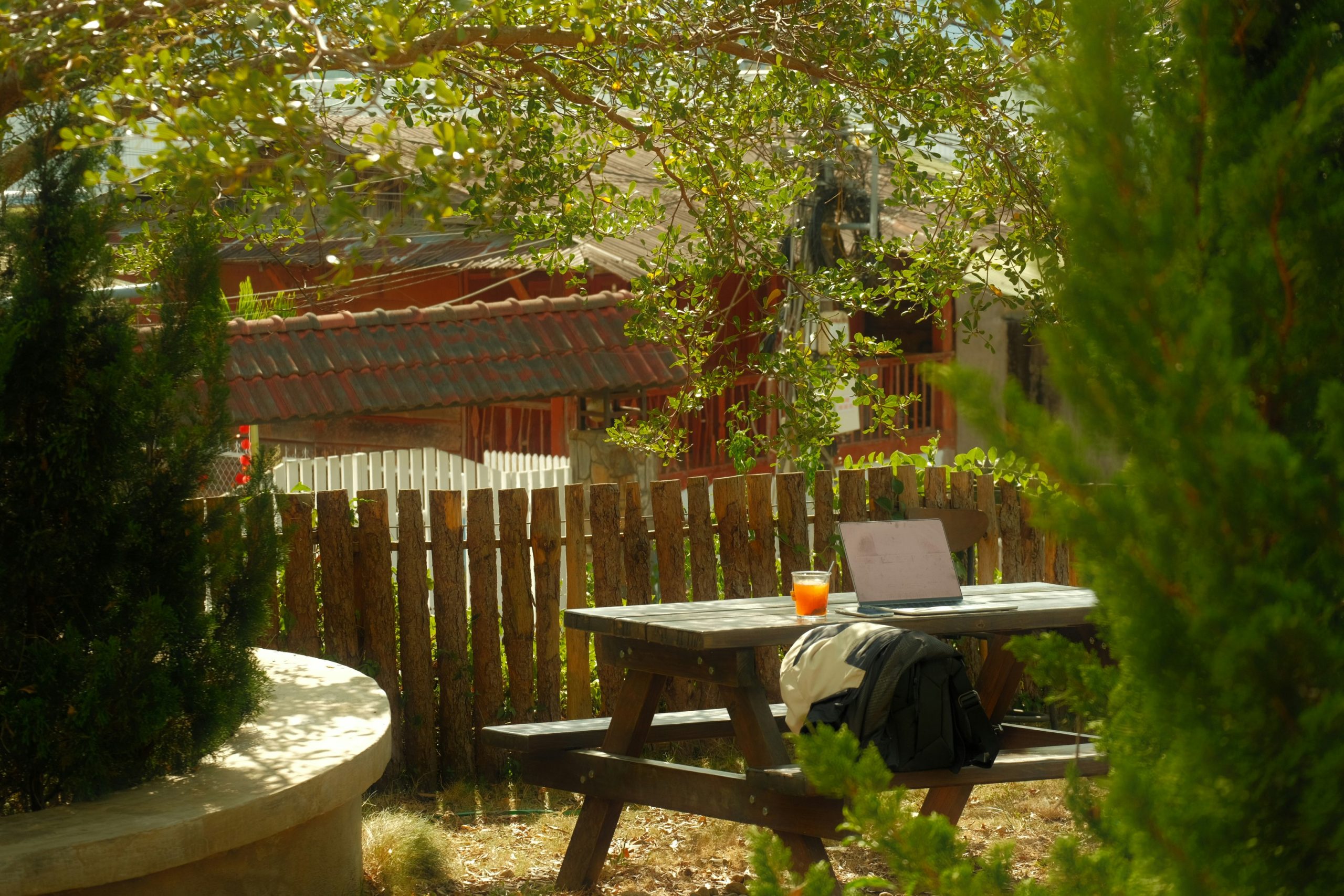
The digital nomad lifestyle has gained significant traction over the past decade, fueled by advancements in technology and a growing desire for work-life balance. This lifestyle allows individuals to work remotely while traveling to various locations around the globe, often blending work with leisure in a way that was previously unimaginable. The rise of the internet and mobile technology has made it possible for people to perform their jobs from virtually anywhere, leading to a surge in the number of individuals who identify as digital nomads. According to a report by MBO Partners, there were approximately 10.9 million digital nomads in the United States alone in 2020, a number that has likely increased as more people seek flexible work arrangements.
The appeal of the digital nomad lifestyle is multifaceted. For many, it represents freedom from the constraints of a traditional office environment, allowing them to explore new cultures and experiences while maintaining their careers. This lifestyle is particularly attractive to millennials and Gen Z workers, who prioritize experiences over material possessions and value flexibility in their professional lives. As remote work becomes more mainstream, the notion of a fixed workplace is increasingly seen as outdated, prompting a shift in how individuals approach their careers and personal lives.
If you’re considering a lifestyle as a digital nomad in 2026 but don’t have a degree, there are numerous pathways to explore. One insightful resource is an article discussing the benefits of entrepreneur coaching for mental health, which can provide valuable support as you navigate this new lifestyle. You can read more about it here: What is Entrepreneur Coaching for Mental Health?. This article highlights how coaching can help you build the resilience and skills necessary to thrive in a remote work environment, even without formal qualifications.
The Changing Landscape of Remote Work Opportunities
The landscape of remote work opportunities has evolved dramatically, particularly in the wake of the COVID-19 pandemic. Many companies were forced to adapt to remote work models almost overnight, leading to a broader acceptance of flexible work arrangements. Industries that were once resistant to remote work, such as finance and healthcare, have begun to embrace it, creating a wealth of opportunities for those seeking to work from anywhere. Job boards specifically catering to remote positions have proliferated, making it easier for digital nomads to find roles that align with their skills and interests.
Moreover, the rise of freelancing platforms has democratized access to remote work opportunities. Websites like Upwork, Fiverr, and Freelancer allow individuals to offer their services globally, connecting them with clients who need their expertise. This shift has not only expanded the job market for digital nomads but has also encouraged companies to tap into a diverse talent pool that transcends geographical boundaries. As businesses recognize the benefits of hiring remote workers—such as reduced overhead costs and increased employee satisfaction—the demand for remote positions is expected to continue growing.
The Impact of Technology on Employment Requirements

Technology has fundamentally transformed employment requirements across various industries. The proliferation of cloud computing, collaboration tools, and communication platforms has enabled seamless connectivity between teams and clients, regardless of location. Tools like Slack, Zoom, and Trello have become staples in the modern workplace, facilitating real-time collaboration and project management. As a result, employers are increasingly prioritizing skills related to digital literacy and adaptability over traditional qualifications.
In this new landscape, soft skills such as communication, problem-solving, and time management have become just as important as technical expertise. Digital nomads must be adept at navigating virtual environments and managing their time effectively to meet deadlines while balancing travel and exploration. This shift in employment requirements has led to a reevaluation of what constitutes a qualified candidate, with many employers now placing greater emphasis on practical experience and demonstrable skills rather than formal education credentials.
How Digital Nomads are Redefining Career Success

Digital nomads are challenging conventional notions of career success by prioritizing personal fulfillment and lifestyle choices over traditional markers such as job titles or salaries. For many, success is no longer defined by climbing the corporate ladder or achieving a specific level of income; instead, it encompasses the ability to travel freely, pursue passions, and maintain a healthy work-life balance. This shift is particularly evident among younger generations who are increasingly disillusioned with the traditional 9-to-5 work model.
As digital nomads carve out their own paths, they often seek out projects that align with their values and interests rather than simply chasing financial gain. This approach fosters a sense of purpose and satisfaction that can be lacking in more conventional career trajectories. Additionally, many digital nomads engage in side projects or entrepreneurial ventures that allow them to express their creativity and contribute to causes they care about. This redefinition of success is reshaping workplace culture and encouraging organizations to adopt more flexible policies that support employee well-being.
If you’re considering the exciting journey of becoming a digital nomad without a degree in 2026, you might find it helpful to explore various resources that can guide you through this transition. One insightful article that discusses personal growth and resilience is available at Rebuilding Life After Burnout, which offers valuable perspectives on overcoming challenges and finding stability. Embracing the digital nomad lifestyle can be a fulfilling way to combine work and travel, and learning from others’ experiences can provide the motivation and strategies you need to succeed.
The Role of Skill-based Education in the Digital Nomad Movement
| Step | Action | Estimated Timeframe | Key Skills to Develop | Resources | Notes |
|---|---|---|---|---|---|
| 1 | Identify Marketable Skills | 1-2 months | Writing, Graphic Design, Coding, Digital Marketing, Social Media Management | Online courses (Coursera, Udemy), YouTube tutorials | No degree needed; focus on practical skills |
| 2 | Build a Portfolio | 1-3 months | Project Management, Content Creation, Personal Branding | Personal website, Behance, GitHub | Showcase real or sample work to attract clients |
| 3 | Find Remote Work Opportunities | Ongoing | Networking, Proposal Writing, Time Management | Freelance platforms (Upwork, Fiverr), Remote job boards | Start with small projects to build reputation |
| 4 | Set Up Digital Nomad Essentials | 1 month | Tech Setup, Financial Management, Travel Planning | VPN, Cloud Storage, Budgeting apps | Ensure reliable internet and secure finances |
| 5 | Choose Nomad-Friendly Destinations | Ongoing | Research, Adaptability, Cultural Awareness | Nomad List, Expat forums, Travel blogs | Consider cost of living, visa rules, and community |
| 6 | Maintain Work-Life Balance | Ongoing | Self-discipline, Scheduling, Stress Management | Productivity tools, Meditation apps | Prevent burnout while traveling and working |
As the demand for skilled workers continues to rise in the remote job market, skill-based education has emerged as a crucial component of the digital nomad movement. Traditional educational pathways often do not equip individuals with the specific skills needed for remote work or freelancing. In response, alternative education models such as coding boot camps, online courses, and vocational training programs have gained popularity. These programs focus on practical skills that are directly applicable to the job market, enabling individuals to quickly acquire the competencies needed for success as digital nomads.
Moreover, platforms like Coursera, Udemy, and LinkedIn Learning offer a plethora of courses that cater to various interests and industries. This accessibility allows aspiring digital nomads to tailor their education to meet the demands of the remote job market while also accommodating their travel schedules. By prioritizing skill acquisition over formal degrees, individuals can position themselves as competitive candidates in an increasingly crowded field.
If you’re considering the lifestyle of a digital nomad in 2026 but lack a degree, there are numerous resources available to help you navigate this journey. One insightful article discusses the unique strengths that ADHD entrepreneurs possess, which can be particularly beneficial for those looking to thrive in a remote work environment. You can explore these ideas further in this informative piece, which highlights how unconventional thinking can lead to innovative solutions and success in the digital realm. Embracing your unique traits could be the key to unlocking a fulfilling nomadic lifestyle.
The Benefits and Challenges of a Nomadic Work Lifestyle
The nomadic work lifestyle offers numerous benefits that attract individuals seeking adventure and flexibility. One of the most significant advantages is the ability to explore new cultures and environments while maintaining a steady income. Digital nomads often report increased creativity and inspiration from their travels, which can enhance their work output and overall job satisfaction. Additionally, many find that working from different locations allows them to build a diverse network of contacts and collaborators across the globe.
However, this lifestyle is not without its challenges. The lack of stability associated with constant travel can lead to feelings of isolation or loneliness for some individuals. Additionally, managing time zones and communication with clients or colleagues can be complicated when working from various locations. Digital nomads must also navigate logistical issues such as securing reliable internet access and finding suitable accommodations that cater to their work needs. Balancing work responsibilities with travel can be demanding, requiring strong organizational skills and self-discipline.
The Future of Remote Work and the Gig Economy
The future of remote work appears bright as more companies recognize the benefits of flexible arrangements for both employees and employers. The gig economy is expected to continue expanding as businesses increasingly rely on freelancers and contract workers for specialized tasks. This trend aligns with the preferences of younger generations who value autonomy and seek opportunities that allow them to pursue multiple interests simultaneously.
As remote work becomes more entrenched in corporate culture, we may see a shift toward hybrid models that combine in-office work with remote flexibility. This evolution could lead to new opportunities for digital nomads who wish to maintain connections with local communities while still enjoying the freedom to travel. Furthermore, advancements in technology will likely continue to facilitate remote collaboration, making it easier for teams to function effectively regardless of their physical locations.
The Importance of Adaptability and Flexibility in the Digital Nomad Lifestyle
Adaptability and flexibility are essential traits for anyone pursuing a digital nomad lifestyle. The ability to adjust to new environments, cultures, and work conditions is crucial for success in this ever-changing landscape. Digital nomads often face unexpected challenges—such as changes in visa regulations or sudden shifts in client demands—that require quick thinking and problem-solving skills. Those who thrive in this lifestyle are typically those who embrace uncertainty and view challenges as opportunities for growth.
Moreover, flexibility extends beyond just adapting to new situations; it also involves being open to new experiences and perspectives. Digital nomads often find themselves immersed in diverse cultures that can broaden their horizons and influence their work in profound ways. By remaining open-minded and willing to learn from their surroundings, they can enrich both their personal lives and professional endeavors.
How to Thrive as a Digital Nomad Without a Traditional Degree
While many digital nomads possess formal degrees, it is entirely possible to thrive in this lifestyle without one. The key lies in developing marketable skills that are in demand within the remote job market. Aspiring digital nomads can leverage online resources such as tutorials, webinars, and community forums to learn valuable skills ranging from web development to digital marketing.
Networking plays a crucial role in building a successful career without a traditional degree. Engaging with online communities—such as social media groups or forums dedicated to remote work—can provide valuable connections and insights into job opportunities. Additionally, showcasing one’s skills through personal projects or freelance work can help establish credibility and attract potential clients or employers who value experience over formal education.
The Growing Community of Digital Nomads and Remote Workers
The community of digital nomads and remote workers is rapidly expanding as more individuals embrace this lifestyle choice. Online platforms such as Nomad List and Remote Year facilitate connections among like-minded individuals seeking camaraderie while traveling or working remotely. These communities provide support through shared experiences, advice on navigating challenges, and opportunities for collaboration on projects.
Moreover, co-working spaces have become popular hubs for digital nomads seeking both productivity and social interaction. These spaces often host events that foster networking among remote workers from diverse backgrounds, creating an environment conducive to collaboration and idea exchange. As this community continues to grow, it fosters a sense of belonging among individuals who share similar values regarding work-life balance and personal fulfillment.
Tips for Finding Remote Work Opportunities and Embracing the Nomadic Lifestyle
For those looking to embark on a digital nomad journey, several strategies can enhance the likelihood of finding remote work opportunities while embracing this lifestyle fully. First and foremost, building an online presence through platforms like LinkedIn or personal websites can showcase skills and attract potential clients or employers. Regularly updating profiles with relevant experiences and engaging with industry-related content can help establish credibility within the remote work community.
Additionally, leveraging job boards specifically designed for remote positions—such as We Work Remotely or Remote.co—can streamline the job search process. Networking within online communities dedicated to digital nomadism can also yield valuable leads on job openings or freelance gigs that may not be widely advertised. Finally, maintaining an adaptable mindset will enable aspiring digital nomads to navigate challenges effectively while enjoying the journey toward achieving their professional goals amidst diverse global experiences.
FAQs
1. What is a digital nomad?
A digital nomad is a person who uses technology to work remotely and live a location-independent lifestyle, often traveling and working from various locations around the world.
2. Do I need a degree to become a digital nomad in 2026?
No, having a degree is not a requirement to become a digital nomad in 2026. Many digital nomads have successful careers without a traditional college education.
3. What skills are important for becoming a digital nomad?
Skills such as digital marketing, web development, graphic design, writing, social media management, and online teaching are valuable for those looking to become digital nomads.
4. How can I find remote work opportunities as a digital nomad without a degree?
There are various online platforms and job boards specifically for remote work opportunities that do not require a degree. Networking, building a strong online presence, and showcasing your skills through a portfolio can also help in finding remote work.
5. What are some challenges of being a digital nomad without a degree?
Some challenges of being a digital nomad without a degree may include proving your skills and experience to potential clients or employers, facing competition from candidates with formal education, and navigating visa requirements in certain countries that may require a degree for work permits.